
Generator types
Generator Types We Repair, Service and Maintain
We repair, service and maintain every common type of generator: diesel, petrol and gas sets, automatic standby systems, and portable and inverter units. Each type fails in its own ways and needs its own servicing, so choose yours below to see what to watch for and how we look after it.
Established 2006
20 years of experience
24/7 operations
We Arrive Within 1–2 Hours
(usually within 1 hour)
Free callouts and quotations
One-year warranty
Qualified and certified technicians
We Service & Repair All Generator Brands
All generator makes and models
1 kVA–20,000 kVA capability
Choose your generator type
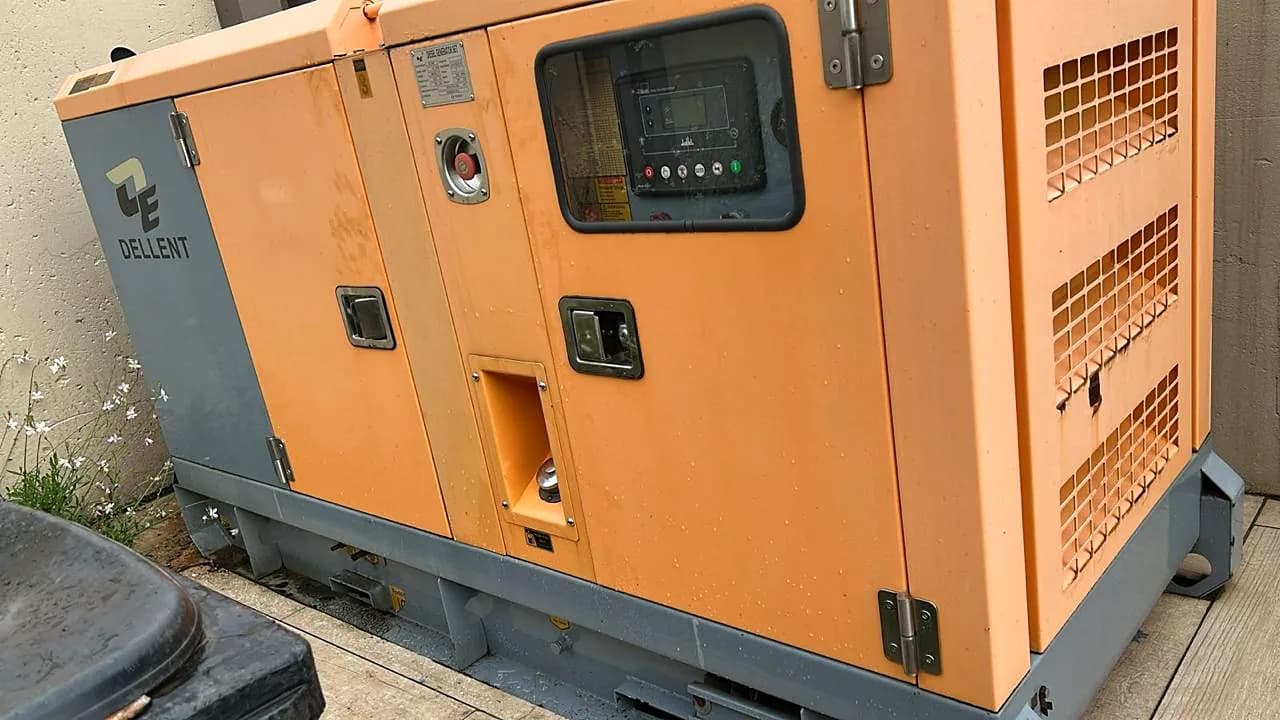 Diesel GeneratorsHow diesel sets work, the faults particular to diesels and how they are serviced, from small silent units to industrial sets.View
 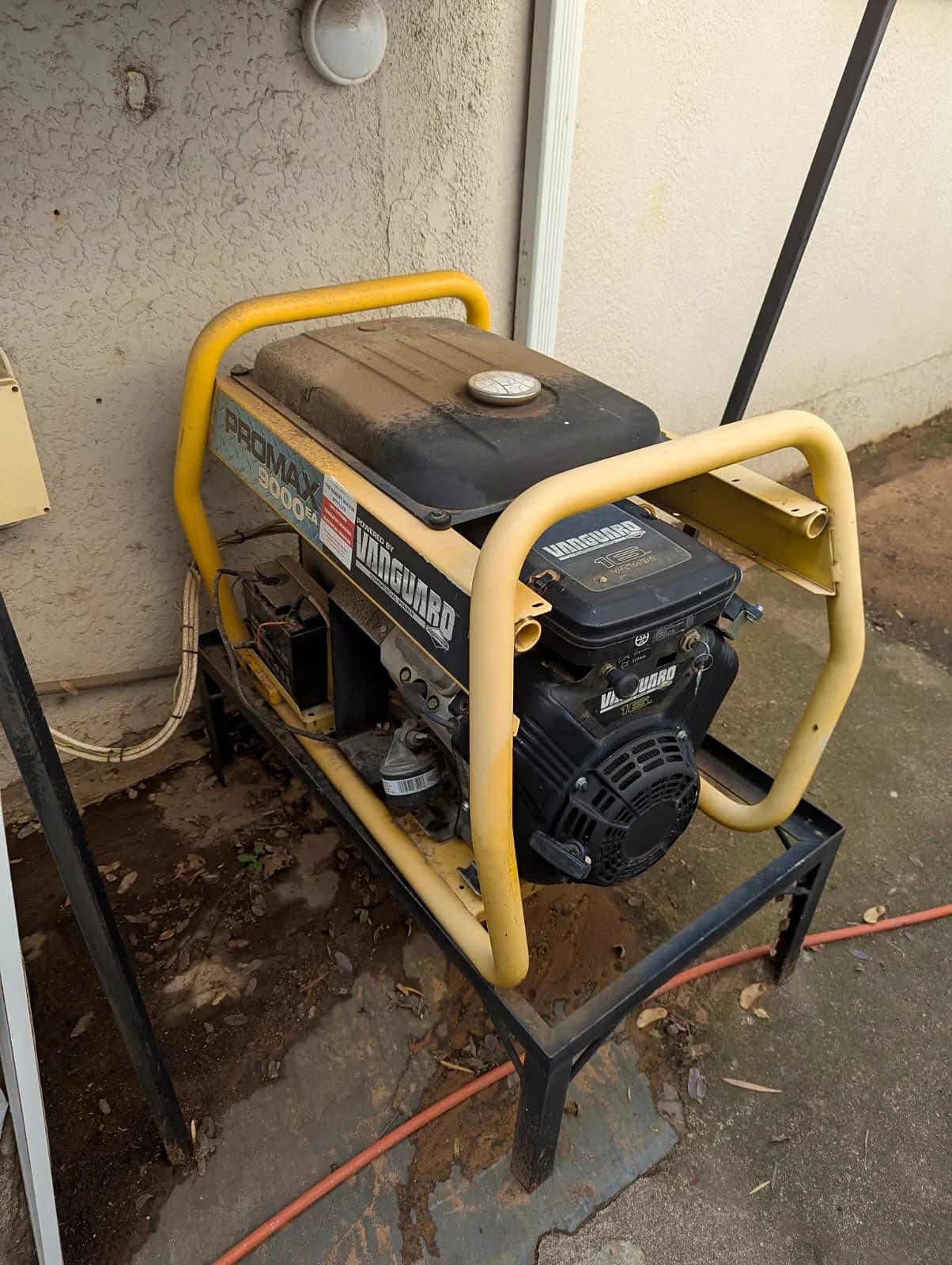 Petrol GeneratorsOpen-frame and portable petrol units: stale fuel and carburettors, ignition, starting, the oil alert and output faults.View
 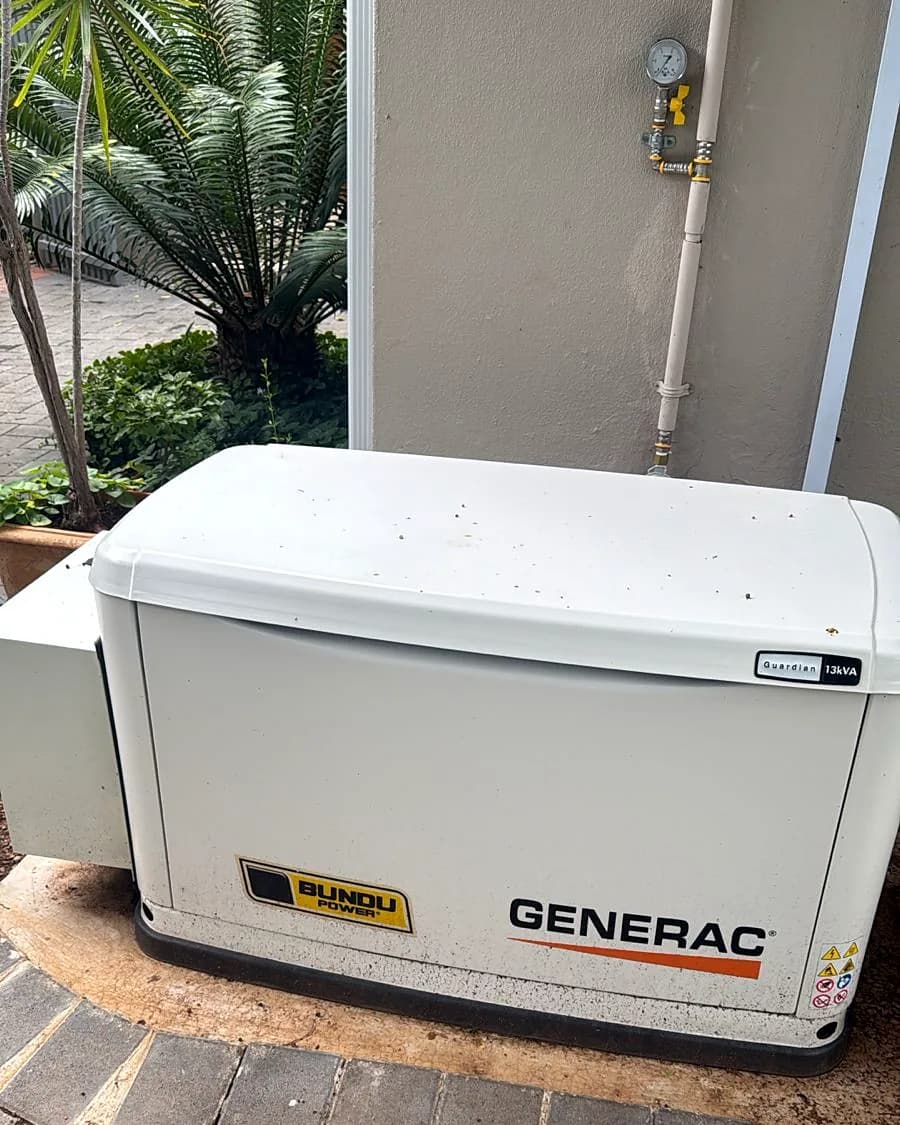 Gas GeneratorsLPG and natural gas sets, from home standby units to commercial sets: ignition, gas train, engine, controls and changeover.View
  Standby GeneratorsAutomatic sets with a controller and changeover that start by themselves when the mains fails.View
 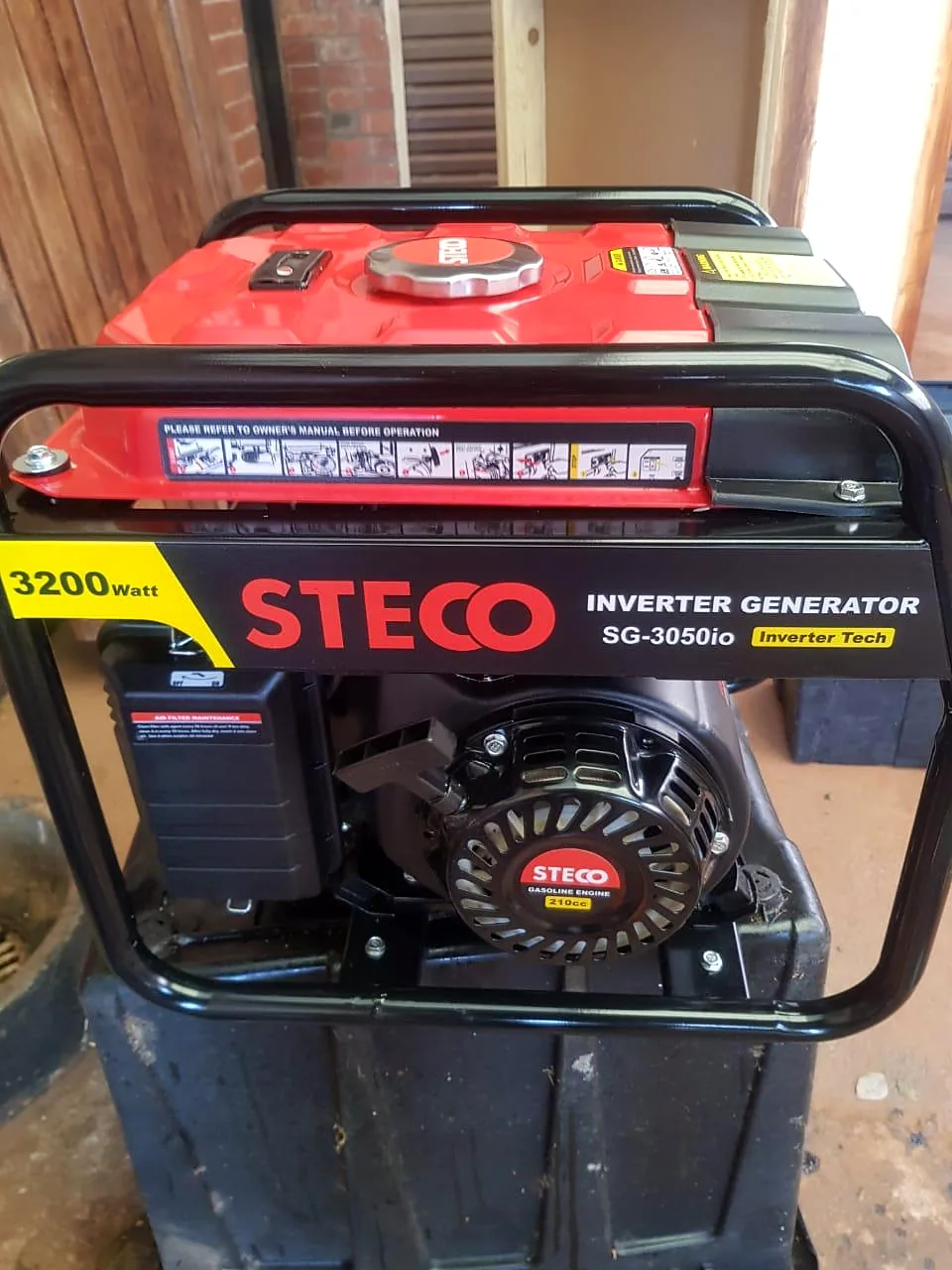 Portable and Inverter GeneratorsConventional and inverter units and small portable diesels: output, overload and inverter faults.View
What sets the types apart
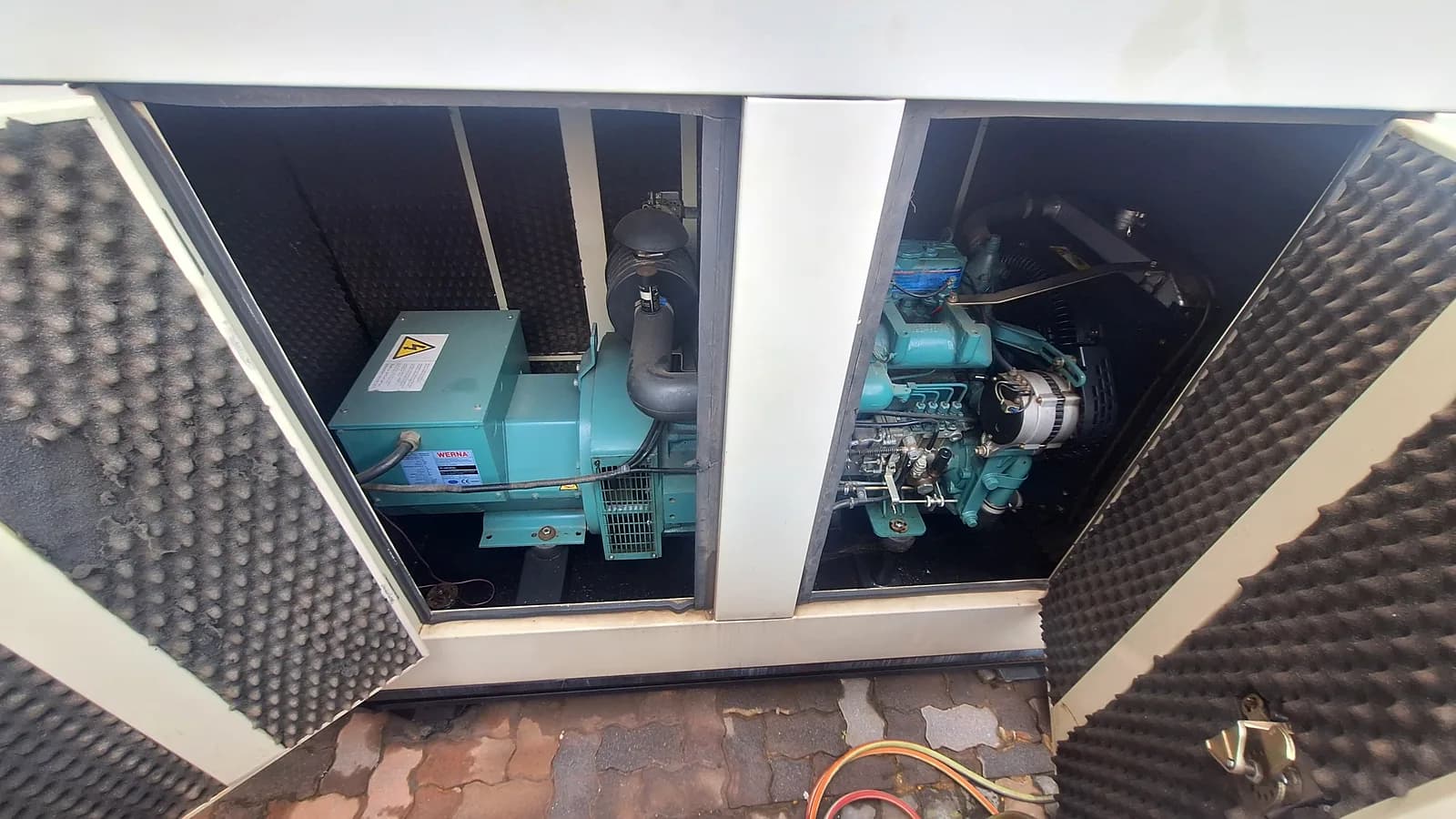
Every generator is an engine turning an alternator, like the set pictured at the top of this page. What separates the types is the fuel the engine burns, how the set starts, and how it turns engine power into steady 230 V or 400 V. Those differences decide what goes wrong.
Diesel sets suffer from water in the fuel, air in the injection system and wet stacking when they run lightly loaded. Petrol units are let down by stale fuel gumming the carburettor. Gas sets depend on spark ignition and a correctly set gas train. Inverter units add power electronics that shut down at the first sign of overload or overheating.
Standby is not a fuel but a way of working: any electric-start set, given an auto-start controller, a battery charger and an automatic transfer switch, becomes a set that starts by itself when the mains fails. That system needs testing as much as servicing, so it has its own page.
How the types compare
| Type | Starting and running | Suits | Needs most |
|---|---|---|---|
| Diesel | Starting and runningBattery and starter, by key or button or automatically; runs for long hours | SuitsHeavy loads and long outages, from homes to industry | Needs mostClean fuel, regular running under load, a healthy battery |
| Petrol | Starting and runningPull start or electric start from a small battery; shorter runs | SuitsShort outages and light loads | Needs mostFresh fuel, carburettor care, frequent oil changes |
| Gas | Starting and runningBattery and starter, usually automatic | SuitsSites with a piped or bulk gas supply | Needs mostIgnition parts, gas-train checks, gas-engine oil |
| Standby (any fuel) | Starting and runningStarts and transfers by itself when the mains fails | SuitsPower with nobody present | Needs mostTest runs, a charged battery, a working changeover |
| Portable and inverter | Starting and runningPull or electric start; inverters vary engine speed with load | SuitsElectronics, leisure and site tools | Needs mostCorrect loading, safe connection, clear cooling vents |
Choosing the right type
What has to run?
List the loads and their starting surges; motors, pumps and compressors set the size more than lights do. The kVA sizing guide turns the list into a rating.
Must it start by itself?
If power must return with nobody there, for alarms, gates, servers or a cold room, you need a standby set with an automatic changeover.
How long are the outages?
A two-to-four-hour load-shedding slot suits most types. Long or frequent outages favour diesel, or gas where a reliable supply is already on site.
What are you powering?
Computers, TVs and chargers are happiest on an inverter generator or a well-regulated larger set. Tools and lights cope with a conventional open-frame unit.
Single or three phase?
Most homes are single phase; many businesses and factories need three phase, which rules out most portable units. See single vs three phase.
Where will it stand?
Outdoors, or in a purpose-built plant room with ducted exhaust and ventilation; never in a house, garage or other enclosed space. Think about noise, exhaust, fuel storage and security: a canopied silent set suits a home or office.
Repairs, servicing and maintenance for every type
Generator repairs
Fault finding and repairs on site for every type and fuel: starting, output, overheating, leaks, controllers and changeovers.
Generator servicing
Oil, filters, coolant, battery and a run under load, at the interval that suits the type and its running hours.
Generator maintenance
Scheduled visits and test runs, so a standby or prime-power set is ready when the mains fails.
FAQ
Choosing and looking after a generator
Which type of generator do I need?
It depends on what must run, for how long, and whether it must start by itself. Portable petrol and inverter units suit short outages and light loads; a diesel or gas set with an automatic changeover suits homes and businesses that need power with nobody present. The kVA sizing guide explains how to size one.
Is diesel or petrol better for load shedding?
For a few hours of light load, a petrol or inverter unit is simpler to buy, move and store. For long or frequent outages, heavy loads or automatic starting, diesel uses less fuel per kWh and is built for long hours. Gas suits sites that already have a reliable piped or bulk supply.
Do you work on every type?
Yes. All generator makes and models: diesel, petrol and gas, from portable units to large standby sets. 1 kVA–20,000 kVA capability.
Who works on the gas supply to a gas generator?
Installing or altering the gas supply pipework must be done by a registered gas installer. We work on the generator itself: engine, ignition, controller, alternator and changeover. See gas generators.
Can you install a new generator or changeover?
Yes. See generator installation for siting, connection, changeovers and commissioning. Connection to a building’s fixed wiring must be done by a registered electrical contractor, who issues a Certificate of Compliance.
Not sure which type you have?
Send us a photo of the nameplate with your enquiry. Free callouts and quotations. We arrive within 1–2 hours, usually within 1 hour.