
Generator problems
Generator Problems: Causes, Safe Checks and Repairs
The short answer
Most generator breakdowns come down to a few causes: a weak battery or failed charger, fuel that has run out or gone bad, low oil or coolant, a tripped breaker or a changeover fault. Find the symptom below that matches what your generator is doing. If it stops again on the same alarm, go no further: switch it off and call us.
- Photograph the alarm on the controller screen and note the hour meter before you reset anything
- Then switch the generator off and let it cool before checking anything else
- Stop and call if you smell fuel, see heavy smoke or hear knocking
Need it fixed rather than diagnosed?
Free callouts and quotations. We arrive within 1–2 hours, usually within 1 hour.
Starting and stopping
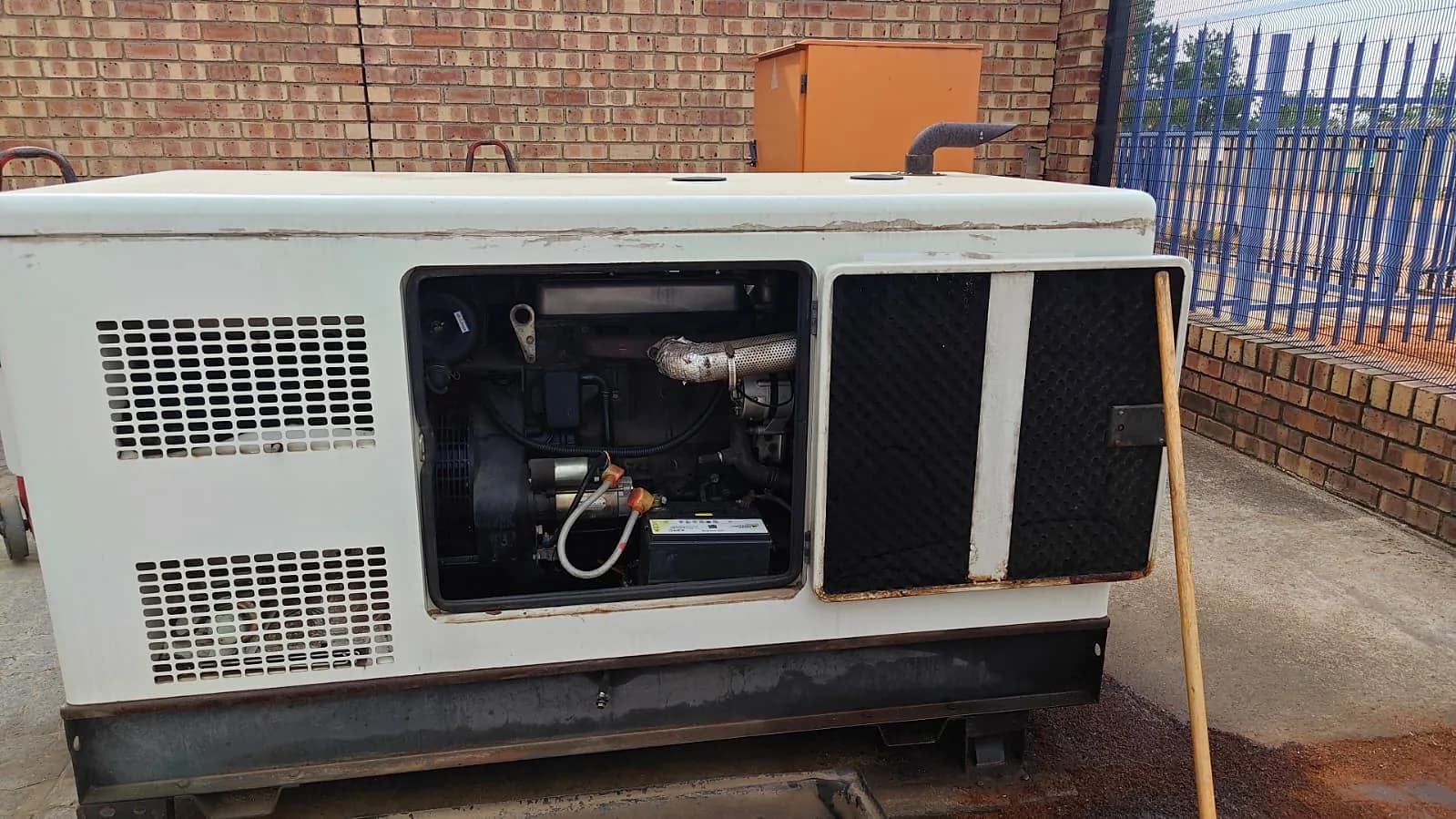 Generator Not StartingNo crank, a click, or cranks without firing: battery, fuel, controls and starter faults.Causes and fixes
  Shutting Down or TrippingStops on an alarm, trips its breaker as the load comes on, or dies without warning.Causes and fixes
 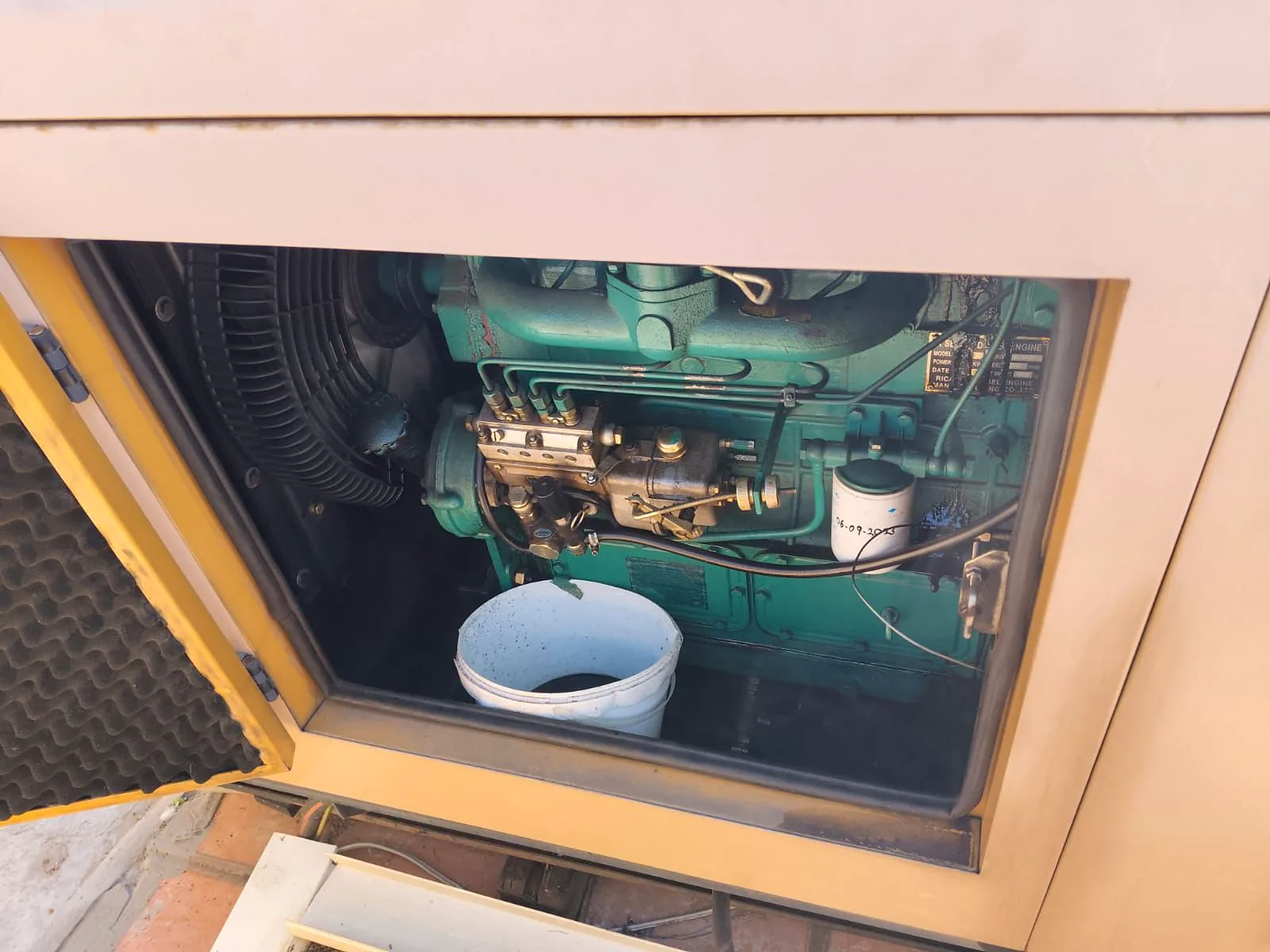 Low Oil PressureLow oil pressure alarms and shutdowns: low or thin oil, a faulty switch or sender, or a real loss of pressure in the engine.Causes and fixes
 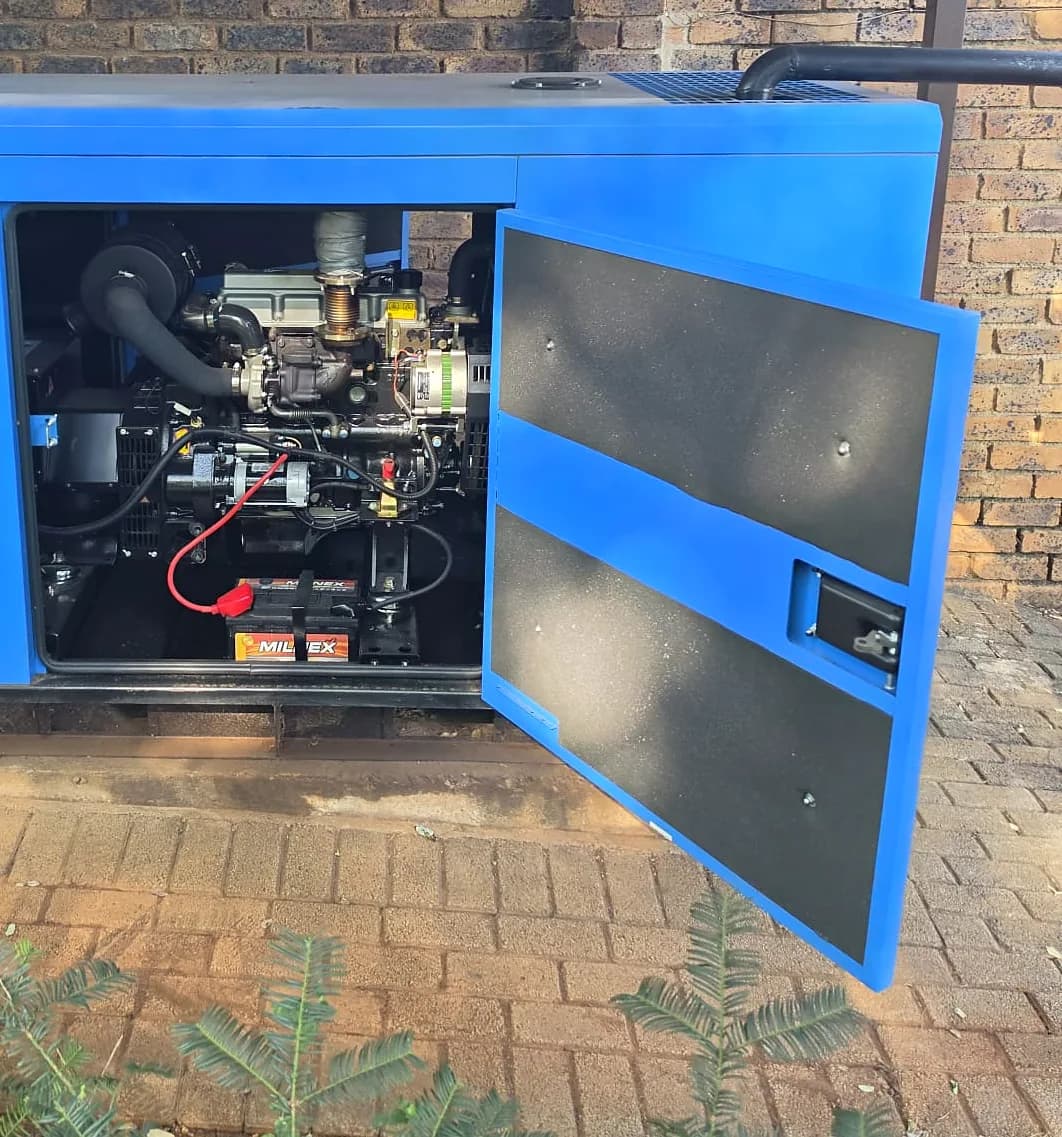 Battery Not ChargingFlat batteries, charge fail alarms, and failed chargers or charge alternators.Causes and fixes
Power output
 Running but No PowerThe engine runs but nothing has power: breakers, changeover, AVR, residual magnetism or rotating diodes.Causes and fixes
  Voltage ProblemsLow, high, fluctuating or collapsing voltage: the AVR and its sensing, engine speed, the load or the wiring.Causes and fixes
 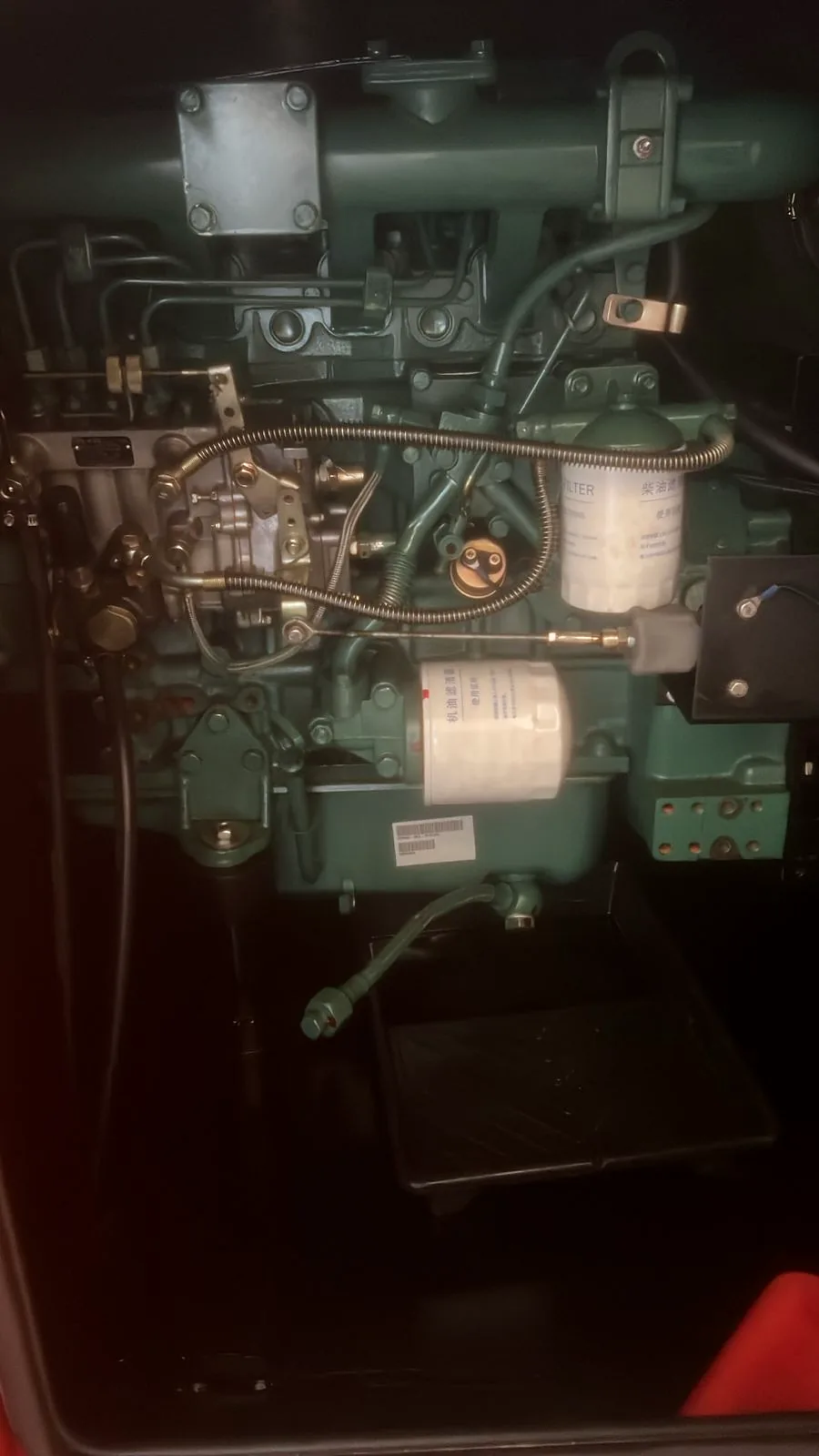 Surging and HuntingEngine surging, hunting or slowing under load: governor, fuel, air and load causes, and why 50 Hz matters.Causes and fixes
  ATS and Changeover ProblemsATS not switching: not taking over in an outage, not handing back to the mains, or chattering between the two.Causes and fixes
Engine condition
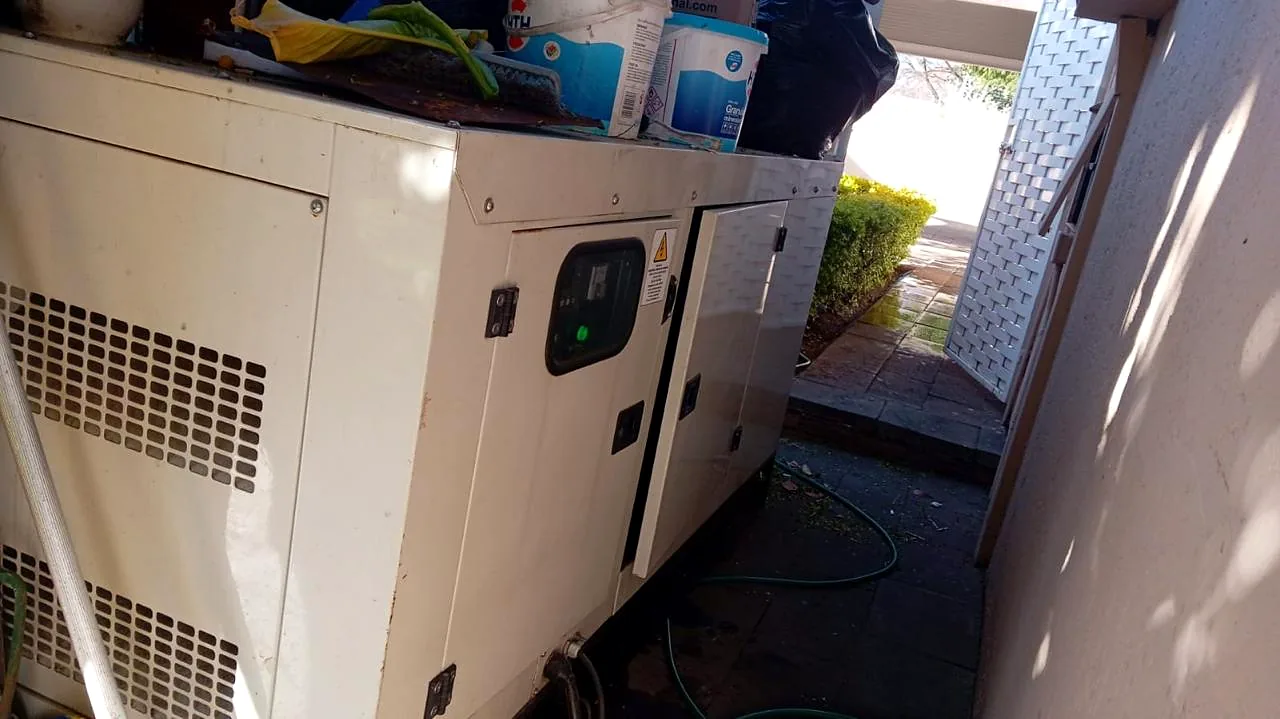 OverheatingHigh temperature alarms and shutdowns: coolant, radiator airflow, belts, thermostat, ventilation or load.Causes and fixes
 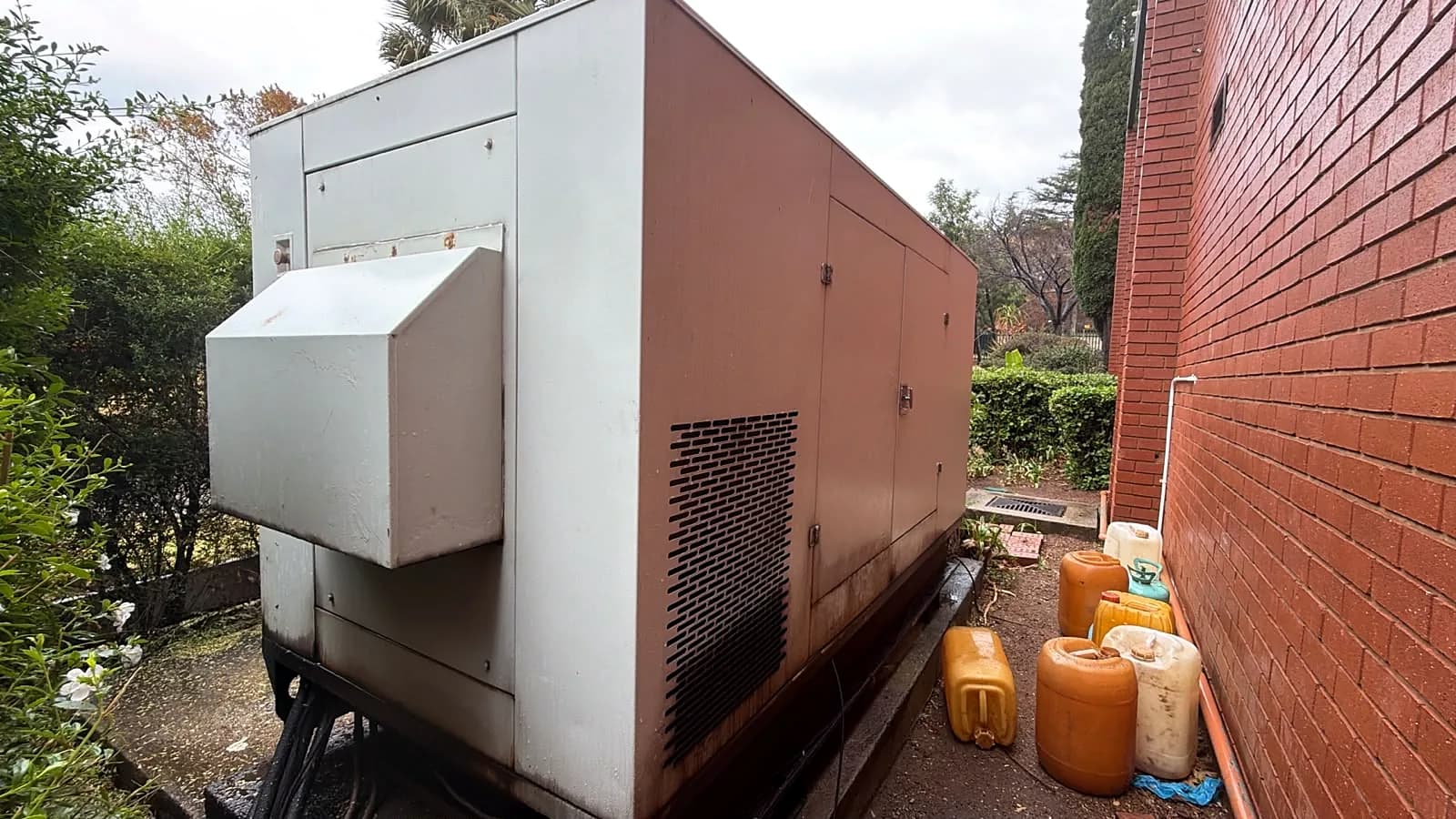 LeaksFuel, oil or coolant leaks: how to identify the fluid, stay safe and get the source repaired.Causes and fixes
 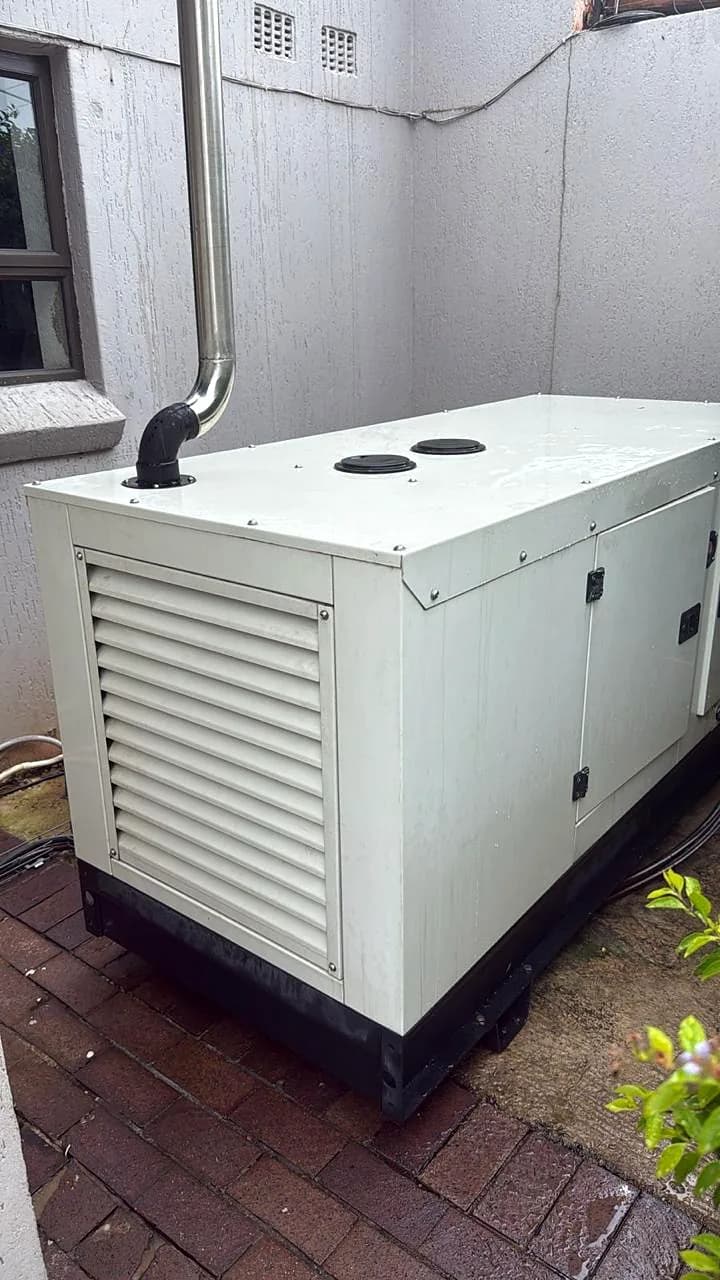 SmokeBlack, white or blue exhaust smoke: what each colour points to, and when to stop the engine.Causes and fixes
 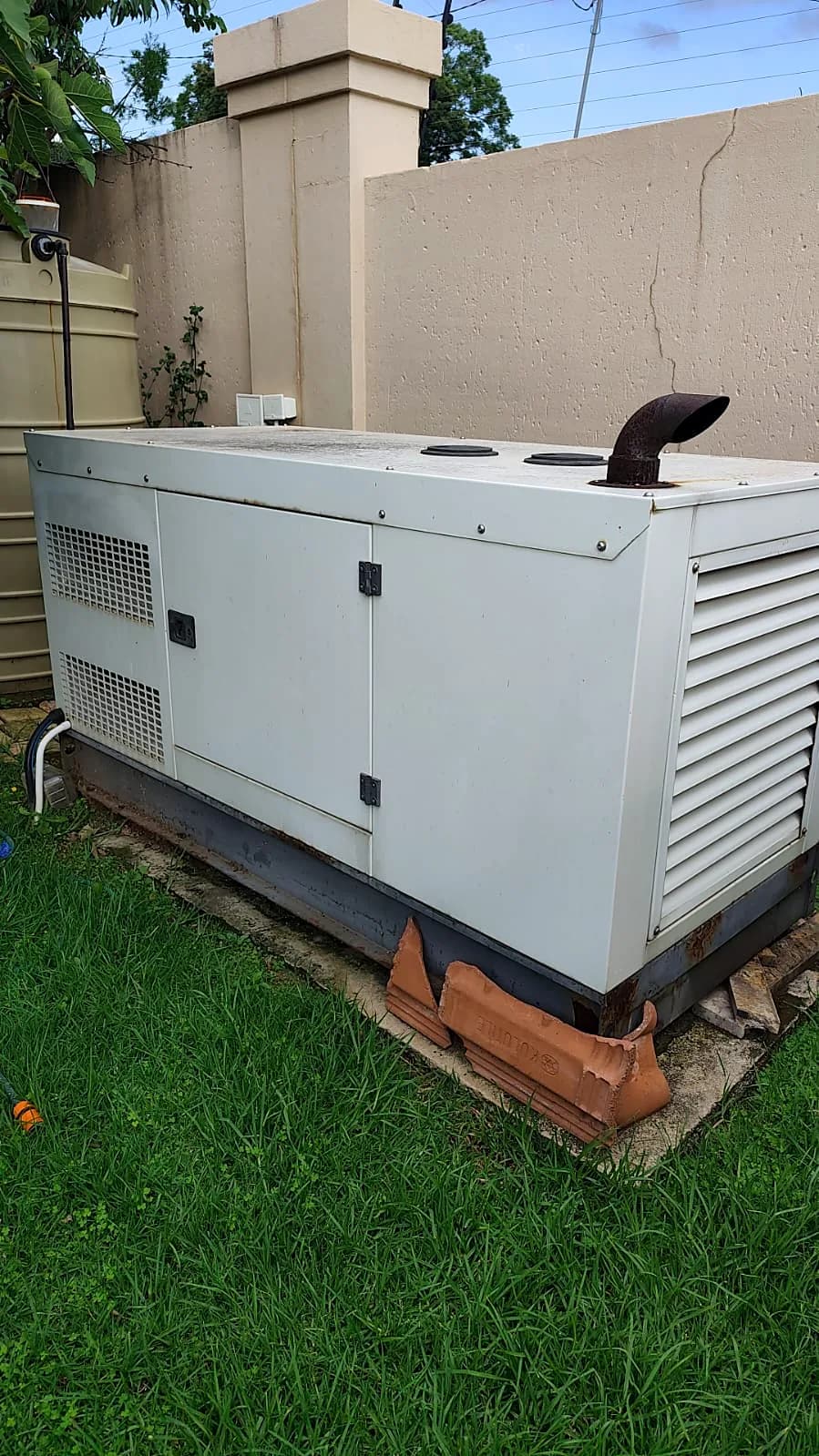 Wet StackingUnburnt fuel, oil and soot in the exhaust of a lightly loaded diesel: causes, signs, damage and cures.Causes and fixes
What the controller alarm is telling you
| Alarm on the screen | What usually causes it | Where to go next |
|---|---|---|
| Fail to start | What usually causes itThe engine cranked for its set number of attempts without running: no fuel, air in the fuel lines, a fuel shut-off solenoid that does not open, glow plugs on a cold morning, or a battery too weak to crank it fast enough. | Where to go nextGenerator not starting |
| Low battery voltage or charge fail | What usually causes itA battery near the end of its life, a failed battery charger, or a charge alternator or belt that stops charging while the engine runs. | Where to go nextBattery not charging |
| Low oil pressure | What usually causes itLow oil level, the wrong grade or oil thinned by fuel, a faulty sender or switch, or a genuine loss of pressure in a worn engine. | Where to go nextLow oil pressure shutdown |
| High coolant or engine temperature | What usually causes itLow coolant, a radiator clogged with dust or leaves, a slipping fan belt, a stuck thermostat, or hot air trapped around the canopy. | Where to go nextOverheating |
| Overspeed, underspeed or frequency out of range | What usually causes itA governor, actuator or speed pickup fault, fuel starvation pulling the speed down, a large load switched off suddenly letting it run up, or a load that swings faster than the governor can follow. | Where to go nextSurging and hunting |
| Under voltage or over voltage | What usually causes itThe AVR or its sensing wires, an engine running slow, failed rotating diodes, or an uneven load across the phases of a three-phase set. | Where to go nextVoltage problems |
| Overcurrent, overload or short circuit | What usually causes itMore load than the set can carry, the starting surge of a motor or pump, or a fault in the wiring the generator feeds. | Where to go nextShutting down or tripping |
| Low fuel level | What usually causes itThe tank has run low after long or back-to-back outages, or the fuel level sender or its wiring has failed. | Where to go nextArrange a refill before it runs dry. If the alarm stays on with a full tank: control panel repairs |
| Emergency stop | What usually causes itThe red stop button is pressed, or its circuit is open because of a faulty switch or broken wire. | Where to go nextRelease the button once you know why it was pressed, then reset. If the alarm will not clear: control panel repairs |
| Maintenance or service due | What usually causes itNot a fault: the service reminder set in the controller has been reached. | Where to go nextGenerator servicing |
No alarm, the engine is running, yet the building has no power? The fault is often in the changeover or ATS, or a tripped output breaker. Start with running but no power or ATS and changeover problems.
Safe checks before you call
Apart from photographing the alarm, do these checks with the generator switched off and cool. They are safe for an owner, they settle the simple cases, and the answers help us bring the right parts for the rest.
- Alarm and hours. Before you reset or switch anything off, photograph the controller screen showing the alarm. Note the hour-meter reading and what happened just before the fault: at start-up, under load, or when the mains came back.
- Fuel. Check the tank level or gauge, and that any fuel tap is open. A set that ran through a long night of load shedding may simply be empty. A diesel that ran dry may need its fuel system bled before it will restart, which is a job for a technician.
- Emergency stop and mode. Unless someone pressed it for a reason, make sure the red stop button is released, and that the controller is in Auto or the mode you normally use.
- Breakers. Look for a tripped output breaker on the generator or a tripped breaker on the distribution board. Reset it once only. If it trips again, leave it off.
- Battery. With the generator isolated, look for loose or corroded terminals and a warning light on the battery charger. Never disconnect battery leads while the engine is running.
- Oil and coolant. Check the dipstick and the coolant expansion tank only when the engine is cold. Never open a radiator cap on a hot engine.
- Leaks and airflow. From outside the canopy, look for puddles, drips and stains, and for anything blocking the air vents, the radiator or the exhaust outlet.
If these checks do not explain it, stop there. Restarting again and again on the same alarm can turn a small repair into a large one.

Load shedding and outages
Problems that load shedding brings on
Load shedding changes how a generator is used. During a spell of scheduled outages, a standby set that otherwise runs only for a monthly test may start twice a day and run for hours at a time, so wear that would take years builds up in months. On the schedule in the diagram, two outages a day of two and a half hours each, the hour meter gains about 150 hours a month and the set goes through about 60 starts.
Each start leans on the battery, the charging system and the starter motor, and each outage is another transfer for the changeover or ATS. Long runs also use oil between services: a level nobody checks during a week of outages is a common way to reach a low oil pressure shutdown, and hot summer afternoons expose a tired cooling system as overheating.
A diesel set sized for the whole building often runs a few lights and a fridge for hours, and that light load leads to wet stacking. Surges when the mains comes back, and lightning during Highveld summer storms, can damage battery chargers, controllers and mains-sensing circuits. A maintenance plan scheduled by running hours catches most of this before it stops the generator.
- Twice-daily starts: a tired battery shows up as a set that will not start
- Everything switching across at once: geysers, pumps and air conditioners can trip or shut down the set
- Light overnight loads: unburnt fuel comes out as smoke when the load returns
- Weeks unused between outages: diesel that picks up water and batteries that drain unseen
Repairs
Repair services for each kind of fault
- Generator repairsOn-site fault finding when the cause is not yet clear, then the repair
- Emergency repairsA generator that has failed during an outage, at any hour
- AVR repairsMissing, low, high or unstable voltage
- Alternator rewindingBurnt windings or failed insulation tests
- Fuel system repairsDirty diesel, air leaks, lift pumps and injectors
- Control panel repairsControllers, sensors, false alarms and auto-start faults
- Load bank testingProving the set carries its load after wet stacking or a big repair
- Generator servicingWhen the fault traces back to an overdue oil, filter or coolant change
FAQ
Questions about generator faults
Should I keep running a generator that has a fault?
Not if it is overheating, leaking, smoking heavily, knocking or tripping again and again. Switch it off and call us: running on can turn a small repair into a large one. A service-due reminder can wait for a planned visit, and a warning that leaves the engine running should be checked soon, but a shutdown means the controller has stopped the engine to protect it.
Is it safe to reset an alarm and try again?
Once, if it was not smoking, leaking or knocking, and only after checking the fuel, the emergency stop and, with the engine cold, the oil and coolant levels. If it stops again on the same alarm, leave it off. The protection is doing its job, and repeated restarts after a low oil pressure or high temperature shutdown can damage the bearings or the cylinder head. Never bridge or disconnect a sensor to keep it running.
Why do generator problems show up during load shedding?
Because that is when the generator works hardest. Frequent starts drain batteries and wear starters and changeovers, long daily runs bring services due sooner, and light loads cause wet stacking. A weakness that a monthly test run never exposed shows up when the set has to run every day.
Can you diagnose a fault over the phone?
We can often narrow it down from the symptoms and a photo of the controller screen, which helps us bring the right parts. Confirming it needs tests on the generator itself, such as battery voltage while cranking, fuel delivery, excitation and the controller’s event log.
What should I tell you when I report a fault?
The make, model and kVA rating from the nameplate, the hour-meter reading, a photo of the controller screen, and what the generator did just before it failed: at start-up, under load, or when the mains came back. Our guide to preparing for a technician visit lists the rest.
How quickly can you come out?
We arrive within 1–2 hours, usually within 1 hour. We work 24/7, so a generator that fails at night or over a weekend does not have to wait for office hours. See emergency generator repairs.
My problem is not listed. What now?
Call or WhatsApp us and describe what the generator is doing. The generator repairs page explains how we find and fix faults on site, and the resources section explains how the main parts work.
Generator not working?
- 24/7 operations
- We Arrive Within 1–2 Hours (usually within 1 hour)
- Free callouts and quotations