
Resources
Generator Guides and Technical Resources
These guides explain how to size, run and look after a generator, and what its readings and alarms mean, in plain language for homeowners, facility managers and site owners. Choose a topic below. If your generator has a fault right now, start with generator problems, which works from the symptom.
24/7 operations · We Arrive Within 1–2 Hours (usually within 1 hour) · Free callouts and quotations
- Electrical: phases, voltage, the AVR and controller alarms
- Engine and fuel: oil, coolant and stored diesel
- Owning a generator: sizing, servicing, callouts, repair or replace
- Safe owner checks marked wherever they apply
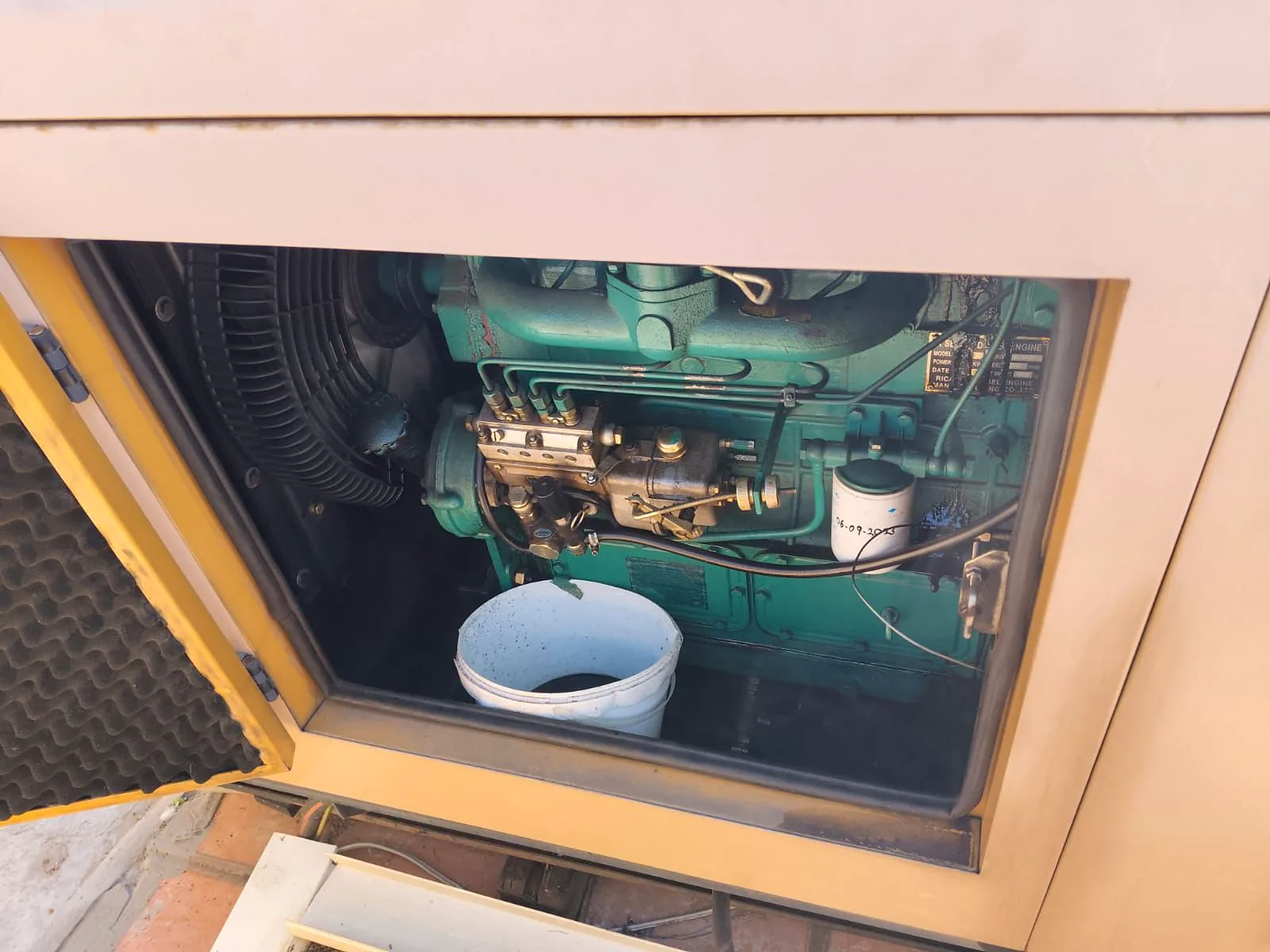
Find the guide for your question
| Your question | Where to find the answer |
|---|---|
| What size generator do I need? | Where to find the answerkVA sizing guide: add up the loads, allow for starting surges, then convert kW to kVA |
| How often should my generator be serviced? | Where to find the answerService intervals and oil care: by running hours or time, whichever comes first |
| What should a service include? | Where to find the answerGenerator service checklist: owner checks, then the technician’s list system by system |
| What does the alarm on my controller mean? | Where to find the answerController alarms explained: warnings, electrical trips and shutdowns |
| Why do my lights flicker on generator power? | Where to find the answerVoltage problems for the fault, and what an AVR does for the background |
| Is the diesel in my tank still good? | Where to find the answerDiesel fuel contamination: water, diesel bug and a simple jar test |
| Do I need single-phase or three-phase? | Where to find the answerSingle vs three phase: matching the set to the building |
| Should I fix it or buy a new one? | Where to find the answerRepair or replace, with generator repair costs for what drives the price |
| It will not start at all. What now? | Where to find the answerGenerator not starting: the likely causes and the checks that are safe to make |
Electrical: how the power is made and controlled

Voltage and Frequency Basics
What 230 V and 50 Hz mean, how speed sets frequency, and why both matter.Read this if the meter shows something other than about 230 V and 50 Hz, or the engine note rises and falls.Read the guide
What Does an AVR Do?
How the automatic voltage regulator holds the output voltage steady, and why it fails.Read this if the voltage is high, low or unsteady, or a technician has mentioned the AVR or exciter.Read the guide
Single vs Three Phase
Which suits a home or business, why phase balance and rotation matter, and what it means for the changeover.Read this if you are choosing a set for a business or a larger home, or one phase of a three-phase set carries far more load than the others.Read the guide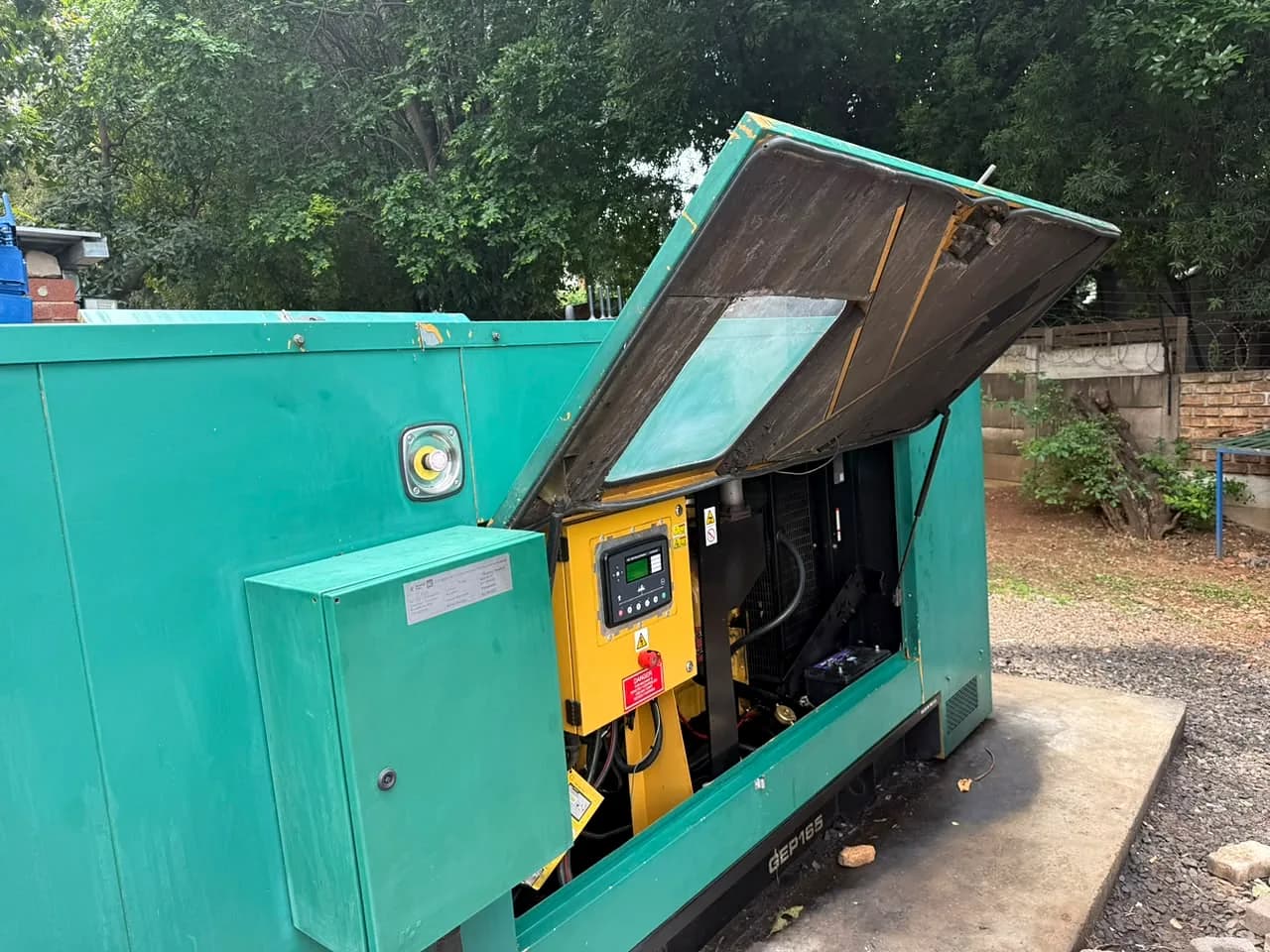
Controller Alarms Explained
Warnings, electrical trips and shutdowns, what the common alarms point to, and what to do first.Read this if the controller shows a warning or has shut the generator down.Read the guide
Engine, fuel and cooling
Service Intervals and Oil Care
Servicing by running hours or time, how load shedding changes it, and what engine oil tells you.Read this if you are unsure when the next service is due, or load shedding has piled on the hours.Read the guide
Coolant and Radiator Care
Choosing and mixing coolant, safe owner checks, radiator cleaning, and the parts a technician looks after.Read this before summer, or if the set has stopped on high temperature.Read the guide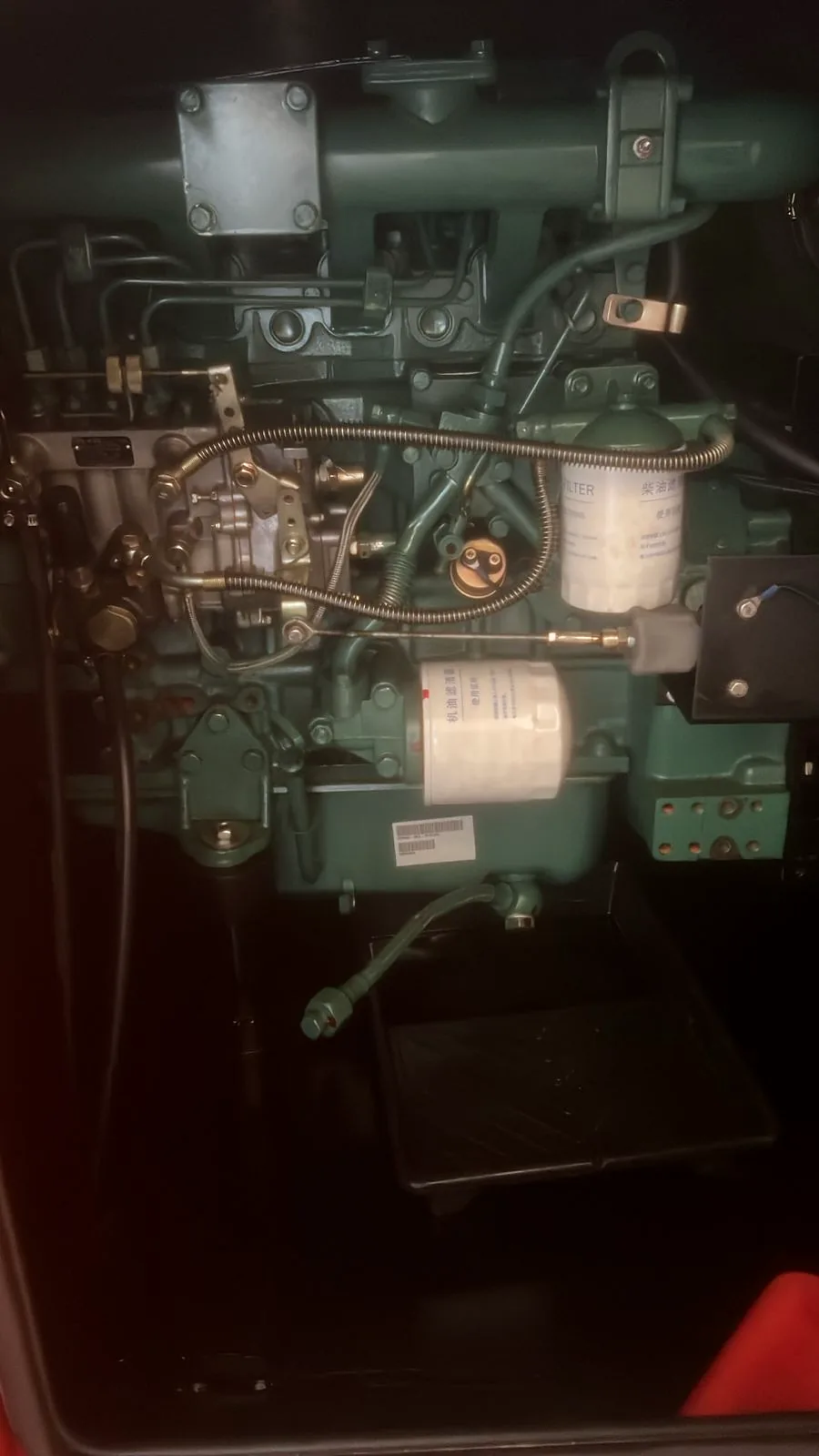
Diesel Fuel Contamination
How water, diesel bug and sediment get into stored diesel, the warning signs, and how to keep it clean.Read this if the diesel has stood for months, or the filters keep blocking and the set loses power.Read the guide
Owning a generator

kVA Sizing Guide
List the loads, add running power, allow for starting surges, then convert to kVA.Read this if you are buying a generator, adding a borehole pump or air conditioning, or the set trips on overload.Read the guide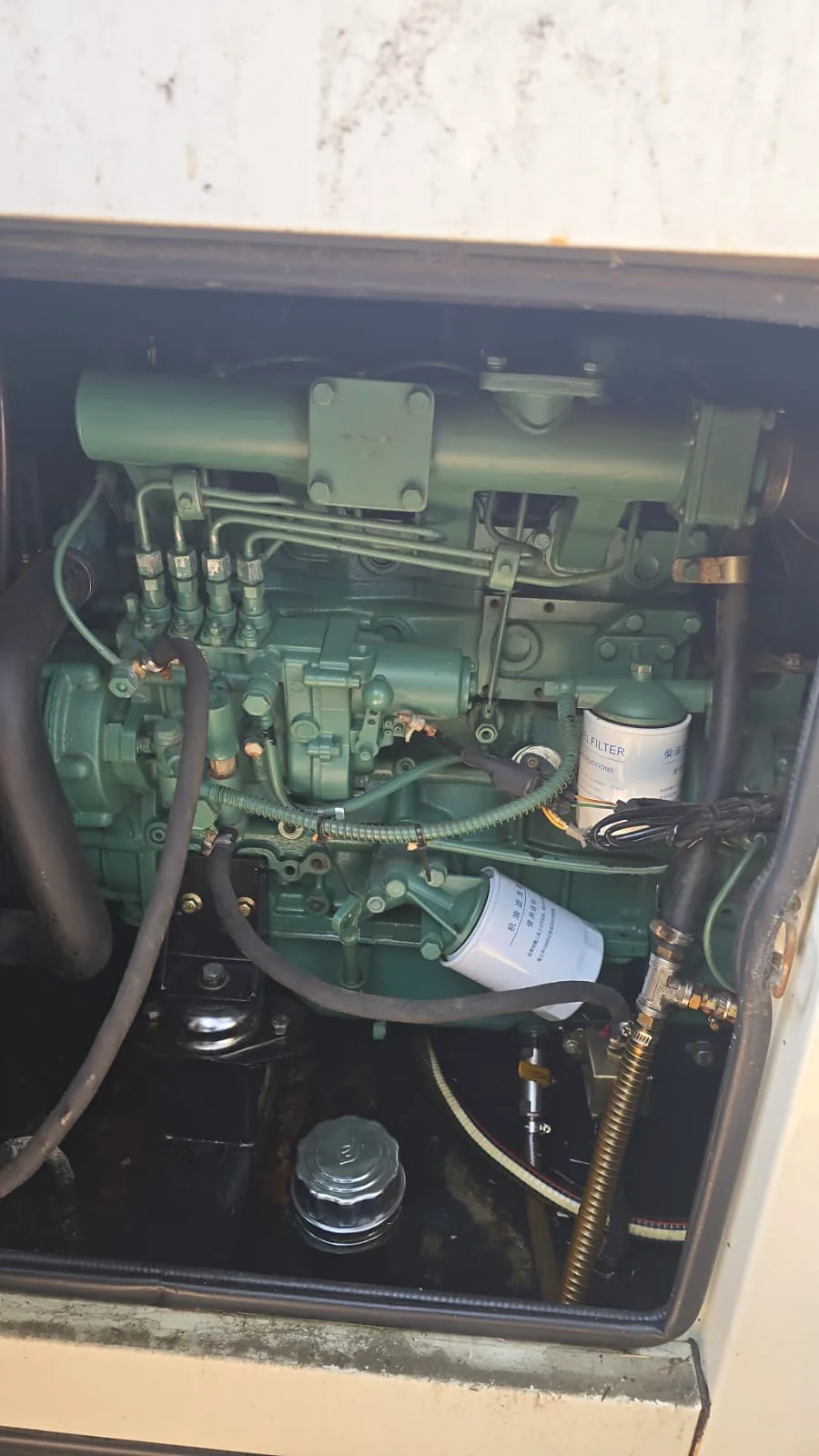
Generator Service Checklist
Safe weekly and monthly owner checks, and the system-by-system list a full service should cover.Read this for the checks you can make yourself, and what a full service should cover.Read the guide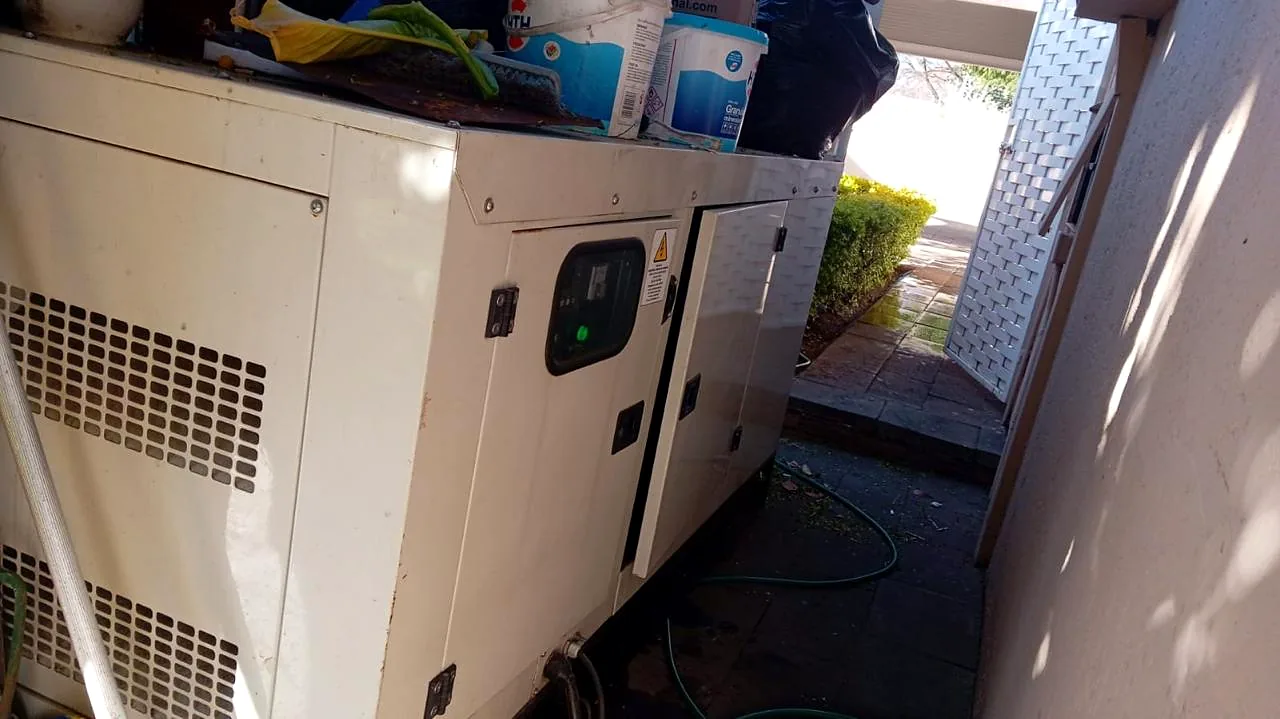
Preparing for a Technician Visit
What to send before we arrive, how to get access and safety ready, and what happens on the day.Read this before a callout: what to send us, and how to get access and safety ready.Read the guide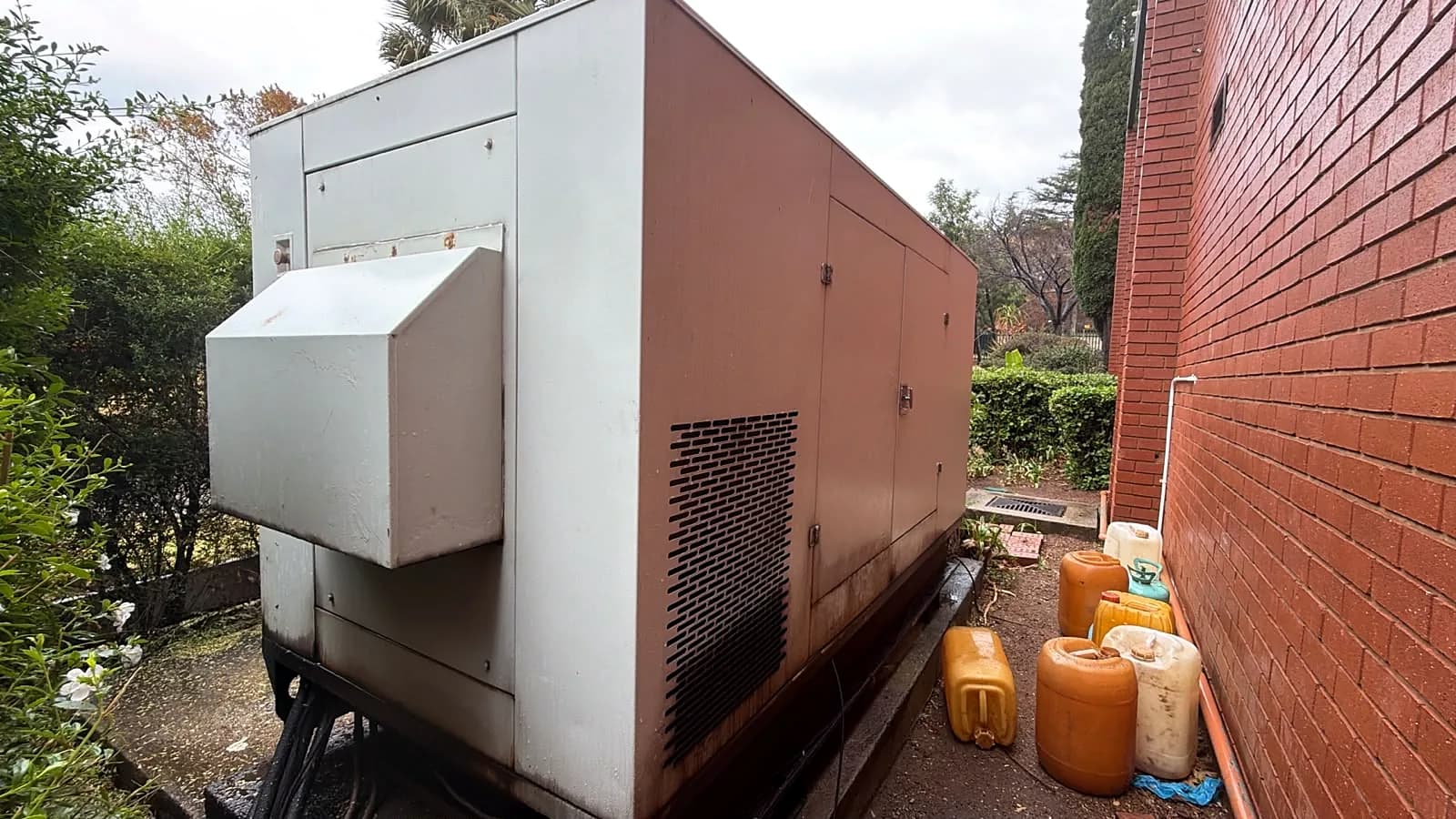
Repair or Replace
The factors that decide whether a generator is worth repairing, from engine wear to sizing, fuel and noise.Read this if the repair quotation is large, or the generator is old, worn or the wrong size.Read the guide
Guides, fault pages and services: which to read
The guides explain how things work and what to check: why a generator makes 50 Hz, what the AVR does, how to size a set, and what a service should include. They are written for South African conditions: 230 V single-phase and 400 V three-phase supply, standby sets that work hard through load shedding and municipal outages, Highveld heat, dust and cold starts, and diesel stored on site for weeks.
When something is wrong, the generator problems pages start from the symptom, such as a set that will not start, runs with no power, smokes or overheats, and say which checks are safe for you to make. When you need the work done, the service pages explain what we do: generator repairs when it has a fault, generator servicing when it is due, and generator maintenance for a planned programme of visits.
Where a guide describes checks, it marks where owner checks stop. Electrical, fuel-system, gas and changeover work needs a trained technician, and connection to a building’s wiring needs a registered electrical contractor.
FAQ
About these guides
Can I do my own generator maintenance using these guides?
The guides explain what to check and why, and where there is something to check, they say which checks are safe for an owner: the fuel level, breakers, the emergency stop, fluid levels with the engine cold, and visible leaks or corrosion. Work inside the control panel, on the fuel system, on gas connections or on the changeover needs a trained technician.
My problem is not covered here. Where should I look?
Start with generator problems, which works from the symptom, or call us and describe what the generator is doing.
Do the guides apply to my make of generator?
Yes. Engines, alternators and controllers work on the same principles whoever assembled the set. Service intervals, oil grades and settings come from the manual for your engine, so follow that where it differs. We Service & Repair All Generator Brands; see generator brands.
Can a technician check what a guide describes?
Yes. We arrive within 1–2 hours, usually within 1 hour. Send a photo of the controller screen and the nameplate when you contact us, so the technician brings the right parts.
Rather have a technician look at it?
- 24/7 operations
- We Arrive Within 1–2 Hours (usually within 1 hour)
- Free callouts and quotations